

First International Symposium on Chinese Language, Literature and Culture
Teachers from the Tourism Confucius Classroom at University of Donja Gorica in Montenegro Participate in the First International Symposium on Chinese Language, Literature and Culture
From October 31 to November 1, 2025, Ms. Fu Lili, Chinese Director of the Tourism Confucius Classroom at University of Donja Gorica in Montenegro, together with two Chinese language teachers, was invited to attend the First International Symposium on Chinese Language, Literature and Culture, held at the Confucius Institute of Transilvania University of Brașov, Romania. The symposium brought together scholars and educators from Confucius Institutes and Classrooms in Romania, Brazil, Montenegro and Latvia. It aimed to discuss new developments and practical experience in Chinese language education, cultural communication and intercultural exchange.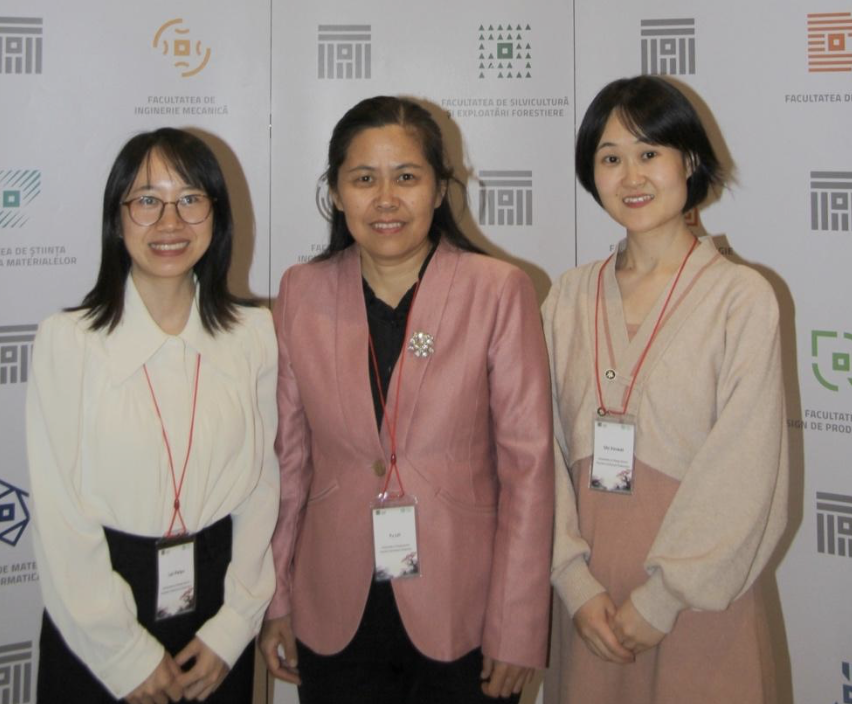
(Figure 1: Teachers from the Tourism Confucius Classroom at University of Donja Gorica in Montenegro attending the symposium)
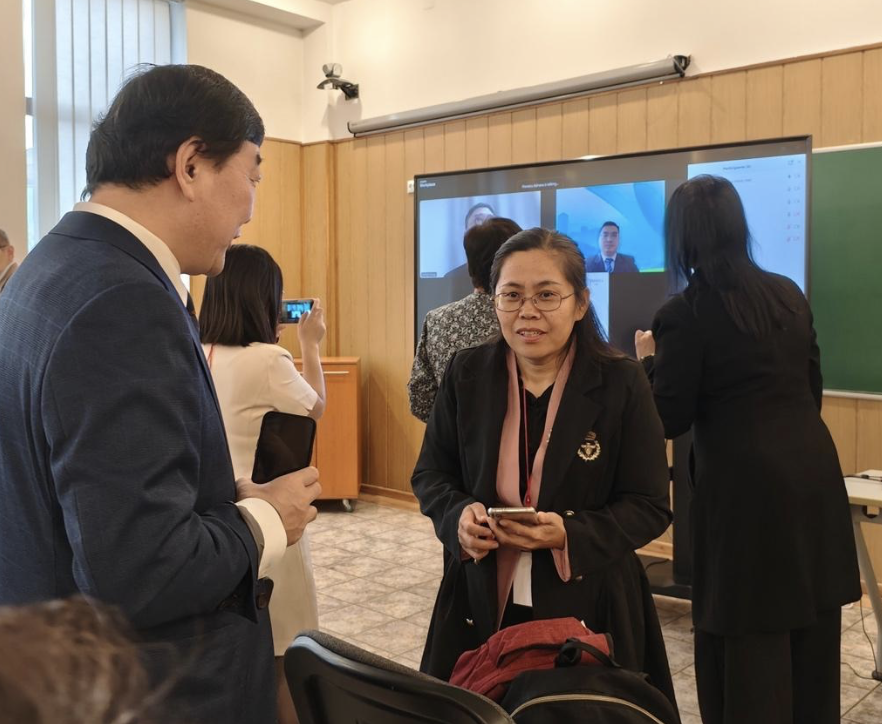
(Figure 2: Director Fu Lili exchanging with Confucius Institute directors before the symposium)
Opening Ceremony
At the opening ceremony on the morning of October 31, Mr. Zhou Guoning, Head of the Education Office of the Chinese Embassy in Romania, delivered a speech congratulating the successful opening of the symposium and thanking the Confucius Institute and Transilvania University for their support. He emphasized that language is the foundation of culture and noted the growing global influence of Chinese. He also introduced the development of Chinese language education worldwide and in Romania, including its inclusion in Romania’s national education system. Zhou underlined the important role of Confucius Institutes in international educational cooperation and cultural exchange. Quoting The Book of Rites, “A good singer inspires others to continue his song; a good teacher inspires others to continue his aspiration,” he expressed respect for educators and wished the symposium every success.
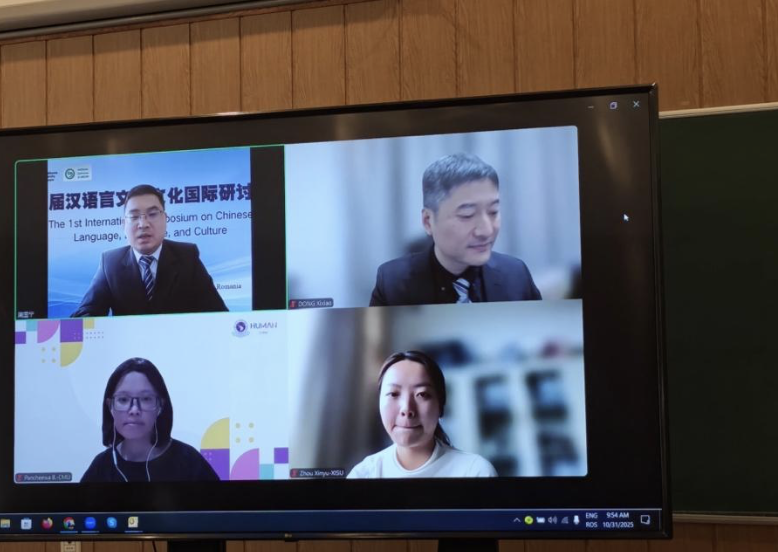
(Figure 3: Zhou Guoning, Head of the Education Office of the Chinese Embassy in Romania, delivering a speech)
Professor Adrian Lăcătuș, Dean of the Faculty of Letters at Transilvania University, stressed the irreplaceable role of language and culture learning in broadening students’ global perspectives and developing intercultural competence. He expressed the hope that this symposium would further strengthen cooperation between the university and the Confucius Institute, promoting the continued growth of Chinese language education and academic exchange.
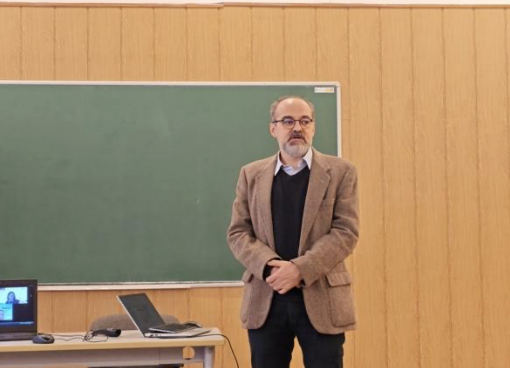
(Figure 4: Dean of the Faculty of Letters at Transilvania University giving a speech)
Professor Corina Micu, Romanian Director of the Confucius Institute at Transilvania University, also welcomed all participants and officially declared the symposium open.
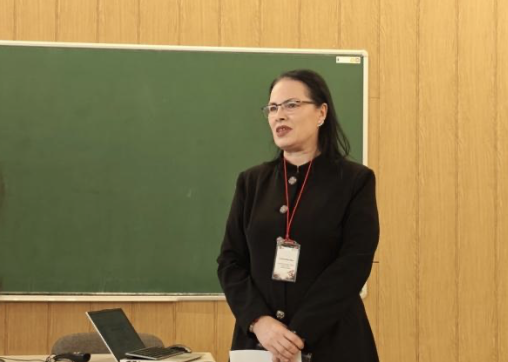
(Figure 5: Foreign Director of the Confucius Institute at Transilvania University giving a speech)
AI-Enhanced Literary Translation and Human–Machine Collaboration
After the opening, Professor Dong Xixiao, Deputy Dean of the School of European Languages and Cultures at Beijing Foreign Studies University, gave a keynote speech titled “AI-Enhanced Literary Translation-Modes of Human-AI Collaboration.” Drawing on his experience translating the works of Romanian author Mircea Cărtărescu, he discussed the use of AI in literary translation and its interaction with human translators. He noted that AI can efficiently process scientific and technical texts, but literary works still require human insight. AI has advantages in processing information and generating multiple translation options, but culturally sensitive and emotional texts rely on human judgment. Professor Dong proposed that future Chinese literary translation should adopt a collaborative approach, where human translators make critical use of AI-generated drafts while providing reliable linguistic data, achieving both efficiency and accuracy.
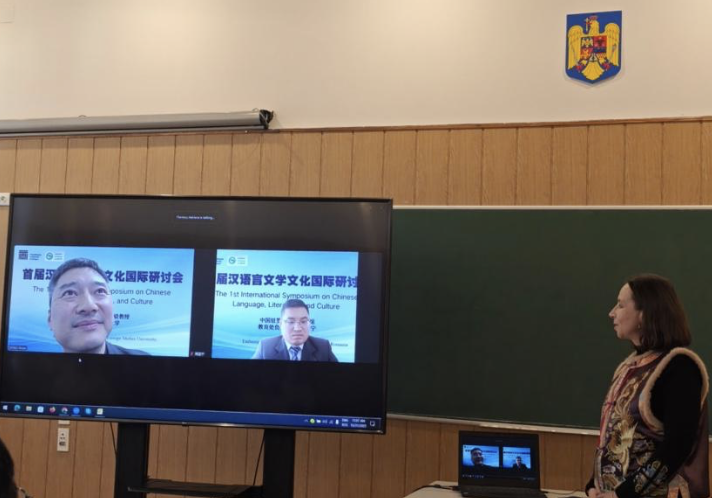
(Figure 6: Professor Dong Xixiao delivering keynote report and answering questions)
Chinese Language Teaching in Brazil
The symposium then moved into the academic presentation session. Dr. Ana Cristina Balestro from the University of Brasilia presented “Reflections on Mandarin Teaching Practices in a Sino-Brazilian Academic Partnership.” She emphasized that learning Chinese is not only about language skills but also about understanding culture. While learning characters, grammar and communication, students should also experience Chinese culture through activities such as wearing hanfu, tasting Chinese food and celebrating traditional festivals. These activities help students connect language with its historical and social background, challenge stereotypes and develop cultural respect and intercultural understanding. Dr. Balestro also reviewed the history of China–Brazil cultural exchange and the development of Confucius Institutes in Brazil, noting that as exchanges between the two countries deepen, Brazilian students are gaining a more comprehensive and in-depth understanding of Chinese culture, making their Chinese learning more effective.
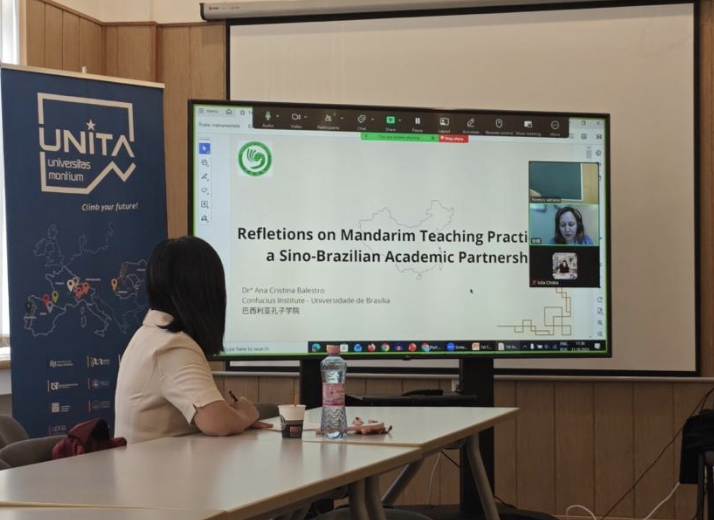
(Figure 7: Dr. Ana Cristina Balestro presenting on Chinese language teaching)
Learning Motivation in Chinese Teaching in Romania
Ms. Cao Ruihong from the University of Bucharest gave a presentation on “A Study on Chinese Language Motivational Teaching Strategies in Romania.” From the perspective of teachers, she analyzed students’ learning motivation and influencing factors. Her research found that university students focus on long-term goals, while students in interest-oriented courses value classroom engagement and immediate enjoyment. Teacher enthusiasm and clear learning objectives are key. She suggested setting small goals, reviewing progress regularly and using interactive teaching to maintain motivation.
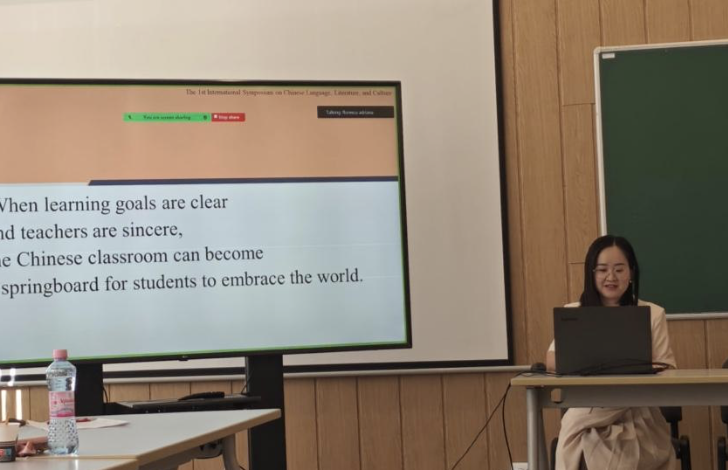
(Figure 8: Ms. Cao Ruihong presenting on learning motivation strategies)
Classroom Practice in Latvia: Differentiated Teaching and Cultural Integration
Dr. He Dong, Chinese Director of the Confucius Institute at the University of Latvia, together with teachers Ms. Guo and Ms. Ma, presented “Analysis on Several practical questions in class of Chinese as a second language in Latvia.” Using two case studies—a reserved university student and a lively child learner—they discussed challenges in mixed-age, mixed-level and multicultural classrooms. Through differentiated tasks, interactive teaching, multimedia materials, cooperative learning and continuous feedback, teachers can enhance participation and motivation.
During the discussion on children’s Chinese learning, Professor Fu Lili from the Tourism Confucius Classroom at University of Donja Gorica raised a question about how to enhance children’s learning motivation. Ms. Ma suggested that interest is the main driving force for children to learn Chinese. Teaching content should be adjusted according to children’s interests and personalities, for example by introducing Chinese through conversations, cartoons, cultural activities and cooking. She also emphasized the importance of Chinese character writing, recommending that children practice two or three characters each week to build reading and writing skills. Combining interest-based, flexible and culture-rich teaching helps sustain children’s enthusiasm and long-term motivation in small-class settings.
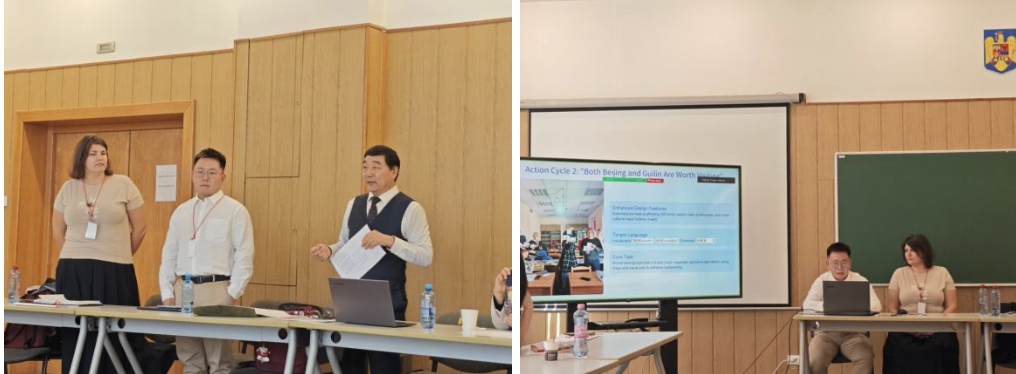
(Figure 9-10: Latvian University Confucius Institute sharing differentiated teaching cases)
Cultural Sensitivity in AI Translation
Dr. Iulia Cîndea from the Faculty of Letters and Arts at Lucian Blaga University of Sibiu presented “Cultural Sensitivity in AI Translation of Chinese Language.” She evaluated various AI translation tools when handling culturally rich texts and found that new-generation AI performs better than traditional software in preserving cultural metaphors, contextual meaning and overall fluency. However, it still falls short in capturing emotional tone and deeper cultural connotations. Dr. Cîndea concluded that AI is suitable for generating initial drafts and translating non-literary texts, but full reliance on it may result in loss of cultural nuance. The best approach, she suggested, is collaboration between humans and AI to ensure both efficiency and cultural accuracy.
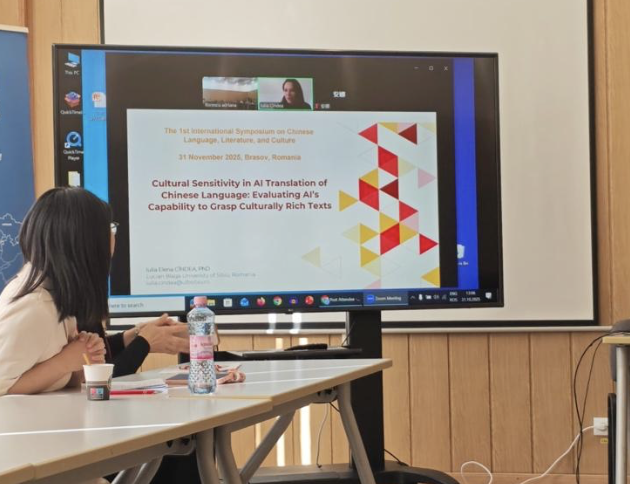
(Figure 11: Dr. Iulia Cîndea presenting research on AI-assisted translation)
Language Interference and Cross-Cultural Learning
Professor Wang Bing, Chinese Director of the Confucius Institute at Transilvania University, presented “Linguistic Interference of Chinese (L1) with Romanian (L2).” She pointed out that Chinese native speakers often experience interference in morphology, grammar, word order, vocabulary and pragmatics due to structural and cultural differences between the two languages. Understanding this interference, along with learners’ motivation, identity and cultural background, is important for improving teaching effectiveness and promoting cross-cultural understanding between China and Romania.
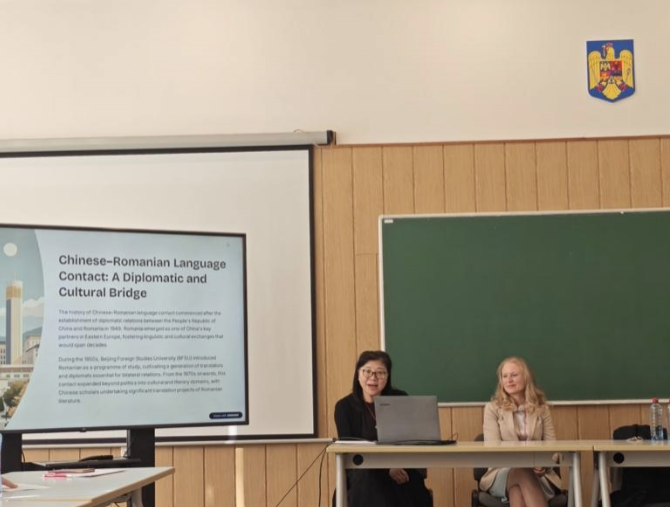
(Figure 12: Professor Wang Bing presenting research on linguistic interference)
Confucian Thought and Cultural Inheritance
In the afternoon philosophy and culture session, Professor Luminița BĂLAN, Romanian Director of the Confucius Institute at the University of Bucharest, gave a presentation titled “Xunzi's Theory of Human Mind - A Synthesis of Confucianist and Daoist Ideas.” She analyzed Xunzi’s idea that human nature tends toward selfishness but can be guided toward goodness through learning, cultural influence and moral cultivation. Xunzi viewed the mind as both active and reflective, integrating reason and moral discipline to achieve personal virtue and social harmony.
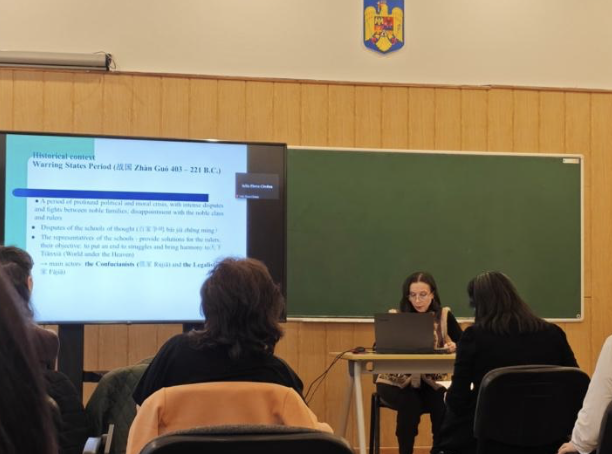
(Figure 13: Professor Luminița BĂLAN presenting on Confucian thought)
Dr. Roxana Rîbu from Transilvania University delivered a talk titled “Confucian Culture and Contemporary China – a Compatibility Issue.” She pointed out that despite historical change and the influence of diverse values, Confucianism remains deeply rooted in Chinese society through education, cultural transmission and moral practice, contributing to family unity, ethical order and social cohesion.
Cultural Communication Practice at the Tourism Confucius Classroom at University of Donja Gorica
The teaching team from the Tourism Confucius Classroom at University of Donja Gorica presented “The Transmission of Culture and Civilization.”
Professor Fu Lili introduced the classroom’s development since its founding in 2019, emphasizing its commitment to promoting Chinese language, culture and philosophy through courses, cultural events, lectures, competitions and academic research. The classroom has continued to expand its teaching team and resources, fostering mutual learning and long-term cultural exchange between China and Montenegro.
Ms. Lai Peiyu shared her overseas teaching experience, centered on “building cultural bridges,” drawing on both classroom and everyday life experiences. She emphasized that the transmission of culture does not come from grand narratives, but is found in the details of Chinese characters, poetry, and calligraphy lessons, as well as in experiences of festivals and Chinese cuisine. By guiding students to recite, dub, sing, and even share in their native language, she demonstrated how learners can grow from language students into active narrators of Chinese stories, thus becoming new bridges for cultural exchange.
Ms. Shi Xinwei introduced practical approaches to cultural communication, including festival celebrations and traditional art workshops that allow students to experience Chinese culture, participation in Chinese language competitions to increase interest, integrating cultural content into lessons and comparing Chinese and Montenegrin culture, as well as offering “Chinese + Tourism” courses that combine language learning with real-life application to promote Chinese culture at multiple levels.
The Cultural Meaning of Ming-Style Furniture
Dr. Liu Xiaocheng from Nanjing Forestry University gave a presentation titled “Chinese Ming-Style Furniture: Culture and Philosophical Dimensions.” She explained that Ming-style furniture is not only functional but also an embodiment of art, philosophy and everyday life. Through materials, craftsmanship and design, it reflects harmony with nature, balance and simplicity, expressing aesthetic ideals and cultural values while conveying respect for nature, sustainability and the integration of tradition and innovation.
Discussion and Closing Session
On November 1, the symposium entered its concluding stage with discussions and a closing ceremony. Participants exchanged ideas on student motivation, homework, pronunciation training and textbook selection. Teachers observed that many students lack motivation due to study pressure, fast-paced lifestyles and unclear goals. They suggested assigning a reasonable amount of homework, emphasizing the importance of practice and using positive feedback to encourage learning interest.
For pronunciation and tone training, teachers recommended regular practice with the help of videos and real-life contexts to make learning engaging. Textbooks should be selected flexibly based on student level and available study time to avoid frustration. To further motivate students and maintain long-term interest, teachers proposed integrating lessons with cultural activities, competitions and interactive lectures, allowing students to experience their learning outcomes in practice.
Through this symposium, the teachers from the Tourism Confucius Classroom at University of Donja Gorica deepened academic exchange and gained valuable experience in teaching and cultural communication. Their participation will help improve teaching quality, enhance student motivation and contribute to Chinese language education and cultural exchange between China and Montenegro.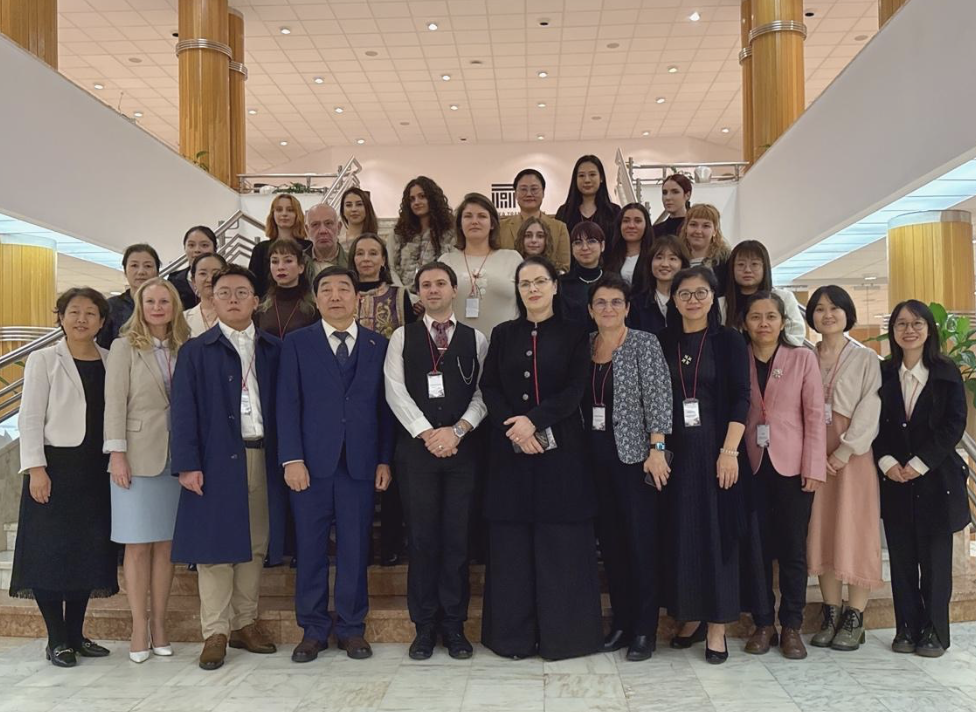
(Group photo of participants at the First International Symposium on Chinese Language, Literature and Culture)
Categories
Others